
 Paris, France · ·
29 October 2024. Valencia, Spain. A Dana (an isolated high-altitude depression) that raised no alarm devastates the Valencian Community. Around 241 people lose their lives there and close to 16,000 homes are flooded. The damage ran to several billion euros. Two years later, in October 2026, a similar Dana reaches that Spanish region. With twelve hours’ warning, the affected population received alerts and instructions. The result? A death toll that is tiny compared with the 2024 disaster, even though 4,000 houses are flooded. Faced with the catastrophe, governments examined how to avoid a repeat of a calamity on that scale, aware that with climate change these adverse conditions will become more and more frequent.
An uneven response
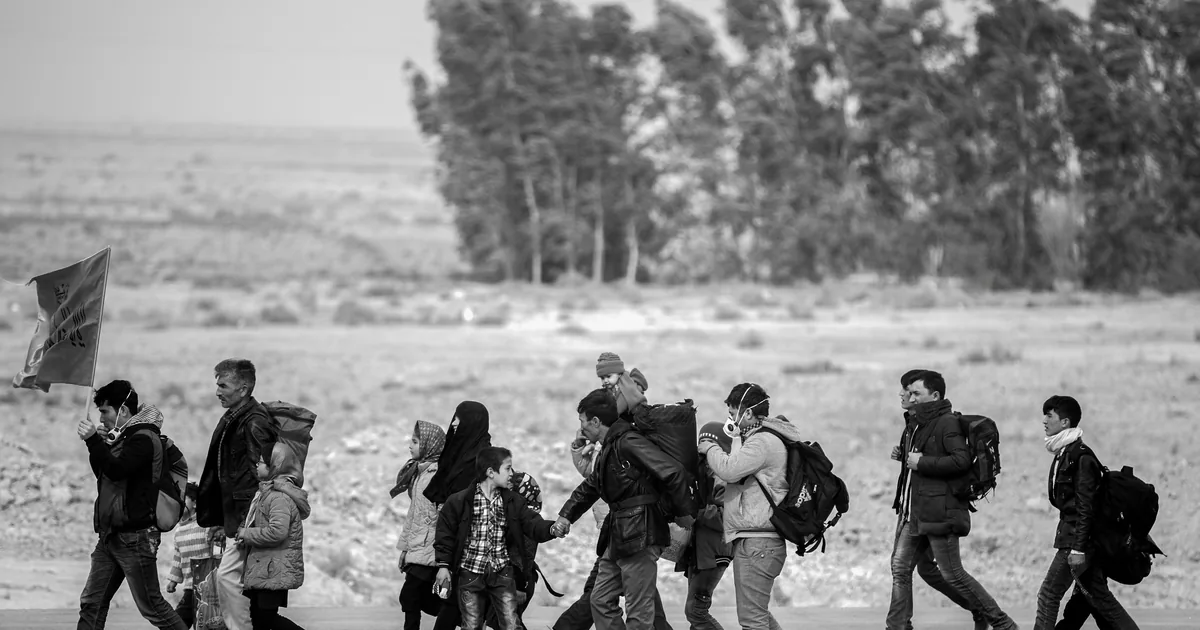
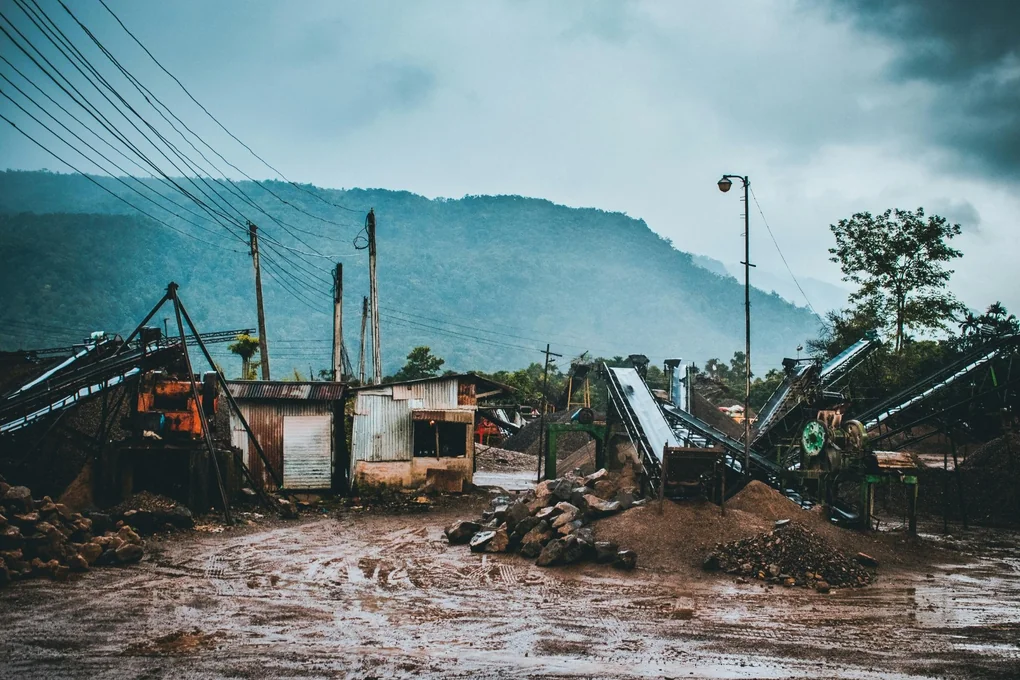
From flash floods in Nepal to the Dana in Spain, major disasters swallow people’s homes. The Earth is living through a time when adverse climatic conditions have become more recurrent. Despite this normalised frequency, victims who have lost everything enter a society where the climate-displaced have no fixed place and no particular status suited to their singular condition.
Countries respond in much the same way to a large-scale event; civil protection services send personnel, from firefighters to military forces. Governments, for their part, dispatch basic resources such as food or power generators. In the European Union, a civil protection mechanism can send funding or search teams. This aid aims to rebuild the country, but people are left facing the search for a foreseeable life. That aspect is absent from the aid that is sent.
Climate-displaced people driven out by natural disasters usually move within their own country, waiting until they can return to their homes once these are rebuilt. But with disasters growing ever more devastating, crossing borders becomes a necessity in order to find a new home out of danger. The status of these people worldwide has evolved yet remains unstable, even unrecognised. For want of an international treaty under the authority of the United Nations, the concept of climate-displaced people “does not exist”, according to the Migration Policy Institute.
Abroad, they find no easy way to settle in another country because of legal gaps; the 1951 Geneva Convention states that refugees are only those fleeing persecution or war, not an environmental disaster. Almost sixty years later, in October 2009, the Kampala Convention challenged that definition. Beyond recognising the victims of the climate, it requires their protection while they are displaced. Despite these improvements, it is limited to climate-displaced people within their own country; beyond the borders, it is still a no-man’s land. Even so, that convention stands for the possibility of establishing a humanitarian agreement for the climate-displaced.
The shape of the treaty
Beyond providing resources to rebuild villages and save lives, countries from different continents must come together in a treaty that affirms their moral obligation to help neighbouring countries, or those bound by an international pact, in supporting people left without shelter. To receive this help, those people will have to come from a place where a climate disaster is responsible for the destruction of homes. They will have to present identity documents when making their request for help on a dedicated treaty website or at their town hall. Government bodies have the authority to approve these applications.
As with alliance treaties in wartime, this support applies outside any warlike setting, for a humanitarian cause. Host families will serve as a bridge so that displaced people can adapt to their surroundings. Like foster homes in the United States, these families will receive a sum of money, between 400 and 900 euros depending on the number of displaced people taken in, for the care of those they house. That money comes, on the one hand, from government taxes and, on the other, from altruistic contributors. It is the same arrangement as for temporary foster families for children without a home.
If there is no possibility of returning to their former home, displaced people will stay with that family until they have found work that brings in enough to live independently. The amount will vary from country to country and will be reviewed every month: displaced people can fill in a form to report that the money is insufficient, supporting it with receipts and rent statements.
To cope with the difficulties of daily life, displaced people will receive, on one side, housing support from the FSL (Fonds de Solidarité pour le Logement) or the CCAS (Centre Communal d’Action Sociale), and their equivalents in other countries. Their rehabilitation will also be supported by the Loss and Damage Fund, which currently supplements emergency humanitarian aid. Countries wishing to join the international treaty for the climate-displaced will also have to contribute financially to that fund. The absence of bureaucracy simplifies the transfer of grants.
A civic service will also accompany them in their formalities to ease the transition. They will be able to receive one-to-one support in looking for a source of income, opening a bank account, managing rent and more. It is a mark of empathy on the part of government towards these victims of a climate change that is the responsibility of every country, not only of those struck by its consequences.
Resilient infrastructure
This help would cover housing displaced people while also supporting the construction of infrastructure able to withstand such natural disasters in future. Adapting sites to reduce risk is essential to bringing down the number of climate-displaced people, because communities then have a window of time to protect infrastructure, or at least to gather their belongings and avoid losing their home entirely.
The help applies to the search for, and the rebuilding of, habitable places able to withstand adverse conditions. As in the example at the start, since the Dana in Valencia, the city has seen a similar climate several times over. The difference in the consequences? The infrastructure was ready to withstand those conditions, and the population escaped another tragedy. Other countries have set up projects offering natural solutions, such as the Netherlands’ Room for the River strategy, which controls canal flooding.
Prevention also runs through early warning systems and through technology able to warn people of a possible disaster on its way. Climate-displaced people, returning to their new homes, must feel safer. Fear changes the way of being in a home, according to the World Economic Forum: you do not live, you survive.
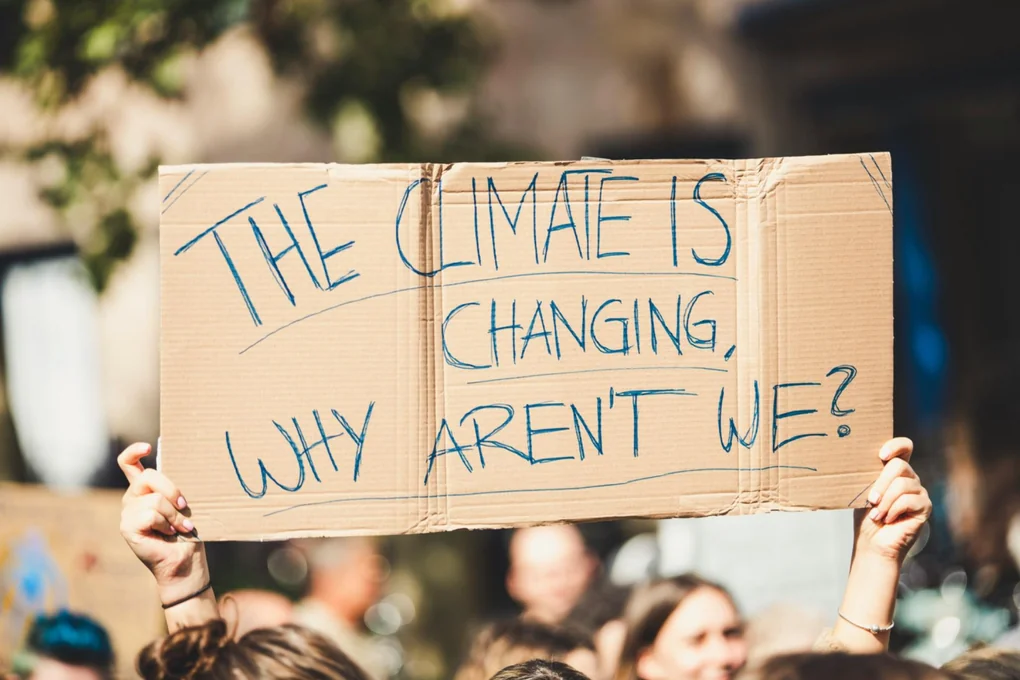
People displaced by major disasters have watched their homes and their way of living vanish. They are the victims of a climate change that grows more visible with every year. Other countries can give them a new life while taking stock of the havoc nature is capable of causing. A treaty already marks an intention to adapt how countries work in the face of the consequences of climate change. It is a first step, and an essential one.
Sources
- Álvaro Caballero, RTVE, on the lessons of the 2024 dana: ¿Vivimos en una “sociedad Es-Alert”?: los aprendizajes de la dana de 2024 ante la nueva normalidad climática, 20 October 2026.
- Jaume Lita Albert, El Debate, on the differences between the 2024 and 2026 danas: Las diferencias entre la dana de 2024 en Valencia y el ‘milagro’ tras Adam en 2026, 20 October 2026.
- Amparo Soler, Moncloa, on the meteorologist Ángel Rivera comparing the two danas: Ángel Rivera compara las danas de 2024 y 2026: 600-700 litros con daños distintos en la Comunitat Valenciana, 21 October 2026.
- Commission européenne, daily press review: Noticias diarias, 23 October 2026.
- GCA: 12 great examples of how countries are adapting to climate change, 12 September 2019.
- Susannah Fisher, PreventionWeb: How five countries are adapting to the climate crisis, 10 November 2025.
- Conservation International: When Climate Disasters Strike, Developing Countries See Worse Human Impacts, 3 May 2024.
- Matias Chiofalo, À Punt, on the second anniversary of the 29 October dana: Programació especial pel segon aniversari de la dana del 29-O, 26 October 2026.
- Loli Benlloc, RTVC, on the figures of the 2024 Valencia dana: Las cifras para no olvidar de la dana de Valencia de 2024, 28 October 2025.
- Julian Hattem, Migration Policy Institute: “Climate Refugees” Do Not Exist as a Concept, But Countries Are Testing New Approaches to Offer Protection, 19 March 2026.
- Asif Saleh et Sheela Patel, Forum économique mondial: Climate migrants: when your house is no longer home, 15 November 2021.
- Tim McDonnell, NPR: The Refugees The World Barely Pays Attention To, 20 June 2018.