 France (Le Perreux-sur-Marne) ·
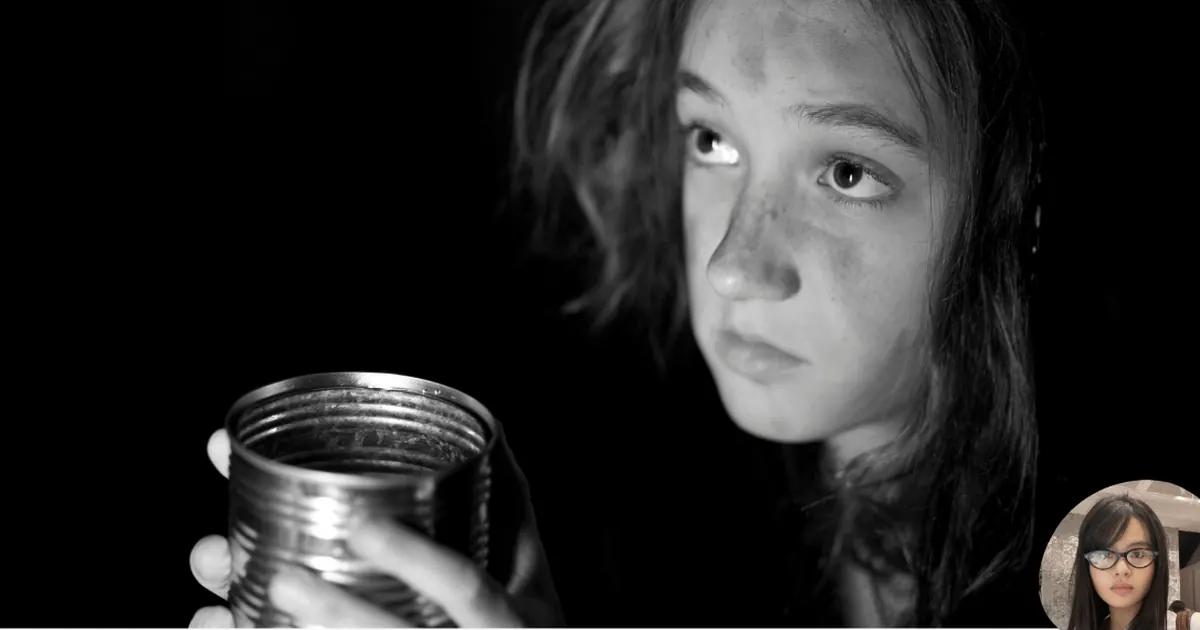
Social media has seen a surge in influencer challenges in which people try to live on less than €10 a day. For them, it is a fun challenge to take on in front of the camera, whereas for millions of people around the world it is not a game but their reality. Nearly 808 million people, or 1 in 10, are estimated to be living below the extreme poverty line in 2025, which means they have only $2.15 a day.
This is why, in 2015, the United Nations set Sustainable Development Goals (SDGs) to build a fairer and more inclusive society by 2030. Goal 1 is to end poverty in all its forms, and above all extreme poverty. It sits at the heart of the 17 SDGs, since poverty is both a cause and a consequence of other global challenges: lack of education, inequality, poor health and vulnerability to climate crises. In France too, poverty remains a major issue, as the trend in the poverty rate below shows.
According to INSEE, the poverty rate in France has fallen since the 1970s. However, it has now reached its highest point since the mid-1990s. In 2023, the poverty rate stood at 16.8%, its highest level since the series began in 1996 (when it was only 15.7%). That is a rise of 1.1 percentage points between 1996 and 2023, which can be partly explained by the 2020 health crisis. This rising poverty rate shows how persistent the condition is.
This highlights how complex the fight against poverty is, and why SDG 1 is today more important than ever.
The main targets of SDG 1
SDG 1 aims first and foremost to eradicate extreme poverty for all people by 2030. Poverty is not only about a lack of money; it also means a lack of access to food, clean water, healthcare, education and a stable livelihood (employment, etc.). In 2023, social protection covered only 52.4% of the world’s population, and in low-income countries only 9.7% of people received such benefits.
Next, it sets out to halve relative poverty, that is, the proportion of people living in poverty as defined nationally. Extreme poverty gets a lot of attention, but can we really say that someone living on more than $2.15 a day is not poor? Well, not necessarily: the poverty line is $6.85 a day, or just over $200 a month, which would mean 3.6 billion people living in poverty, one in every two people on the planet.
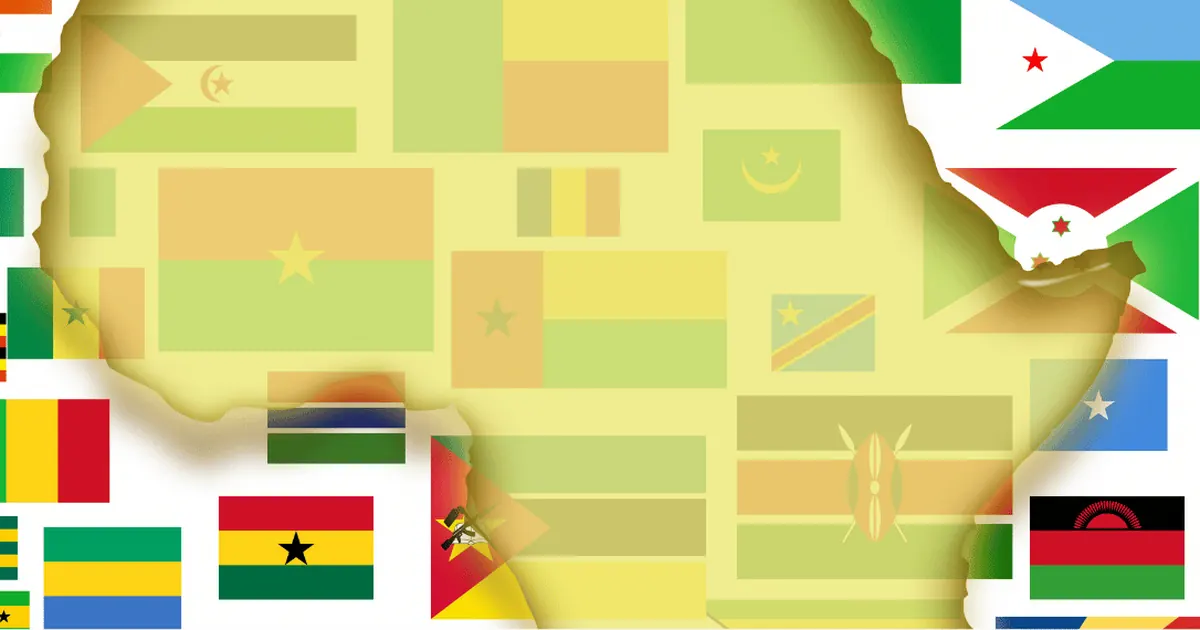
SDG 1 also aims to implement systems and measures for all, meaning social protection floors from which poor and vulnerable people can benefit. Here is a map of government spending on social protection around the world between 2010 and 2015. It shows the inequalities at play: more than half of the world’s population has no social security, which leaves it particularly vulnerable to poverty
In addition, SDG 1 seeks to reduce the exposure and vulnerability of poor people to extreme climate events and other economic, social and environmental shocks and disasters.
Finally, this Sustainable Development Goal is meant to push governments to adopt, at national, regional and international level, sustainable policy principles grounded in the development of the poor. To do so, they must mobilise substantial resources, such as international cooperation, to give developing countries (the least developed) adequate means to put in place programmes aimed at ending poverty.
Progress so far
Successive crises have slowed progress: the Covid-19 crisis, armed conflicts, inflation and weather disasters.
Covid-19 hit developing countries particularly hard, deepening existing inequalities. This was the case in Brazil, where the pandemic caused a severe economic recession and a rise in unemployment. According to World Bank data, the number of people living below the poverty line rose significantly: nearly 6 million more Brazilians fell into extreme poverty between 2019 and 2021. The hardest-hit populations were those living in the favelas, with limited access to healthcare, education and stable employment. This crisis showed how closely economic vulnerability is tied to inadequate social protection and to exposure to health and climate crises, confirming the importance of the Sustainable Development Goals, and SDG 1 in particular.
What can we do as individuals?
Even if eradicating poverty seems a distant idea to you, every citizen can help in their own way:
Support charities and NGOs: Donate, volunteer or take part in food and clothing drives to help those most in need.
Promote education and inclusion: Encourage access to education and training to reduce inequality and enable people to get out of poverty.
Responsible consumption: Choose fair-trade products or products from short supply chains, supporting producers who are often vulnerable.
Awareness and civic engagement: Take part in awareness campaigns, raise the issue of poverty in public debate, or support local and national policies that strengthen social protection.
Fight waste: Reduce food waste and share surpluses to help those who need them.